

Historical Fashion Archive & Comparative
Silhouette Study
1850s–1920s

develop a high-quality Historical Fashion Archive detailing the evolution of style across three pivotal eras: the Victorian Era (1850–1900), the Edwardian Era and World War I (1901–1919), and the 1920s.

The completion of this Comparative Silhouette Study involved a systematic process of research, analysis, and visual design: Content Structuring & Curation, In-Depth Analysis, Professional Presentation

-
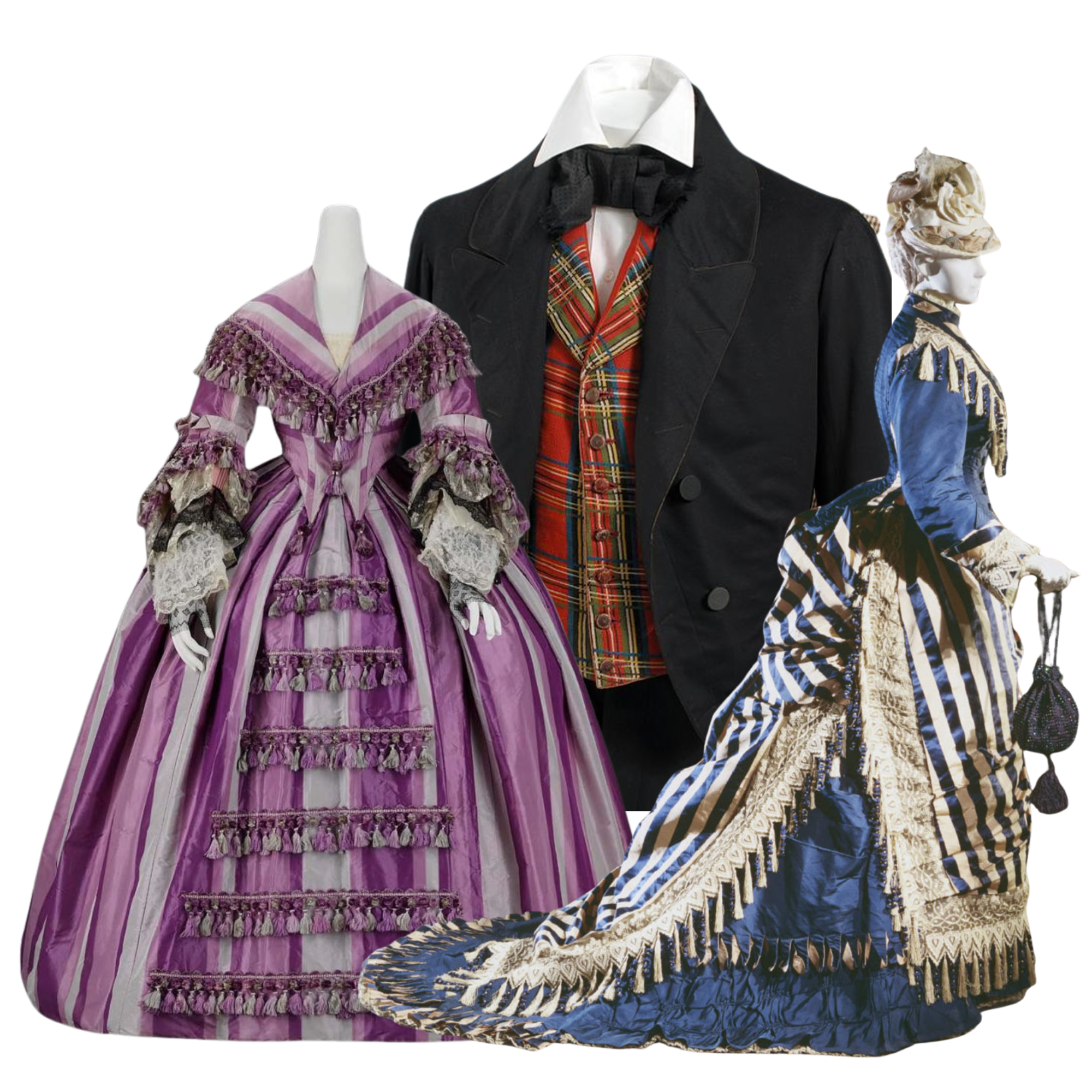
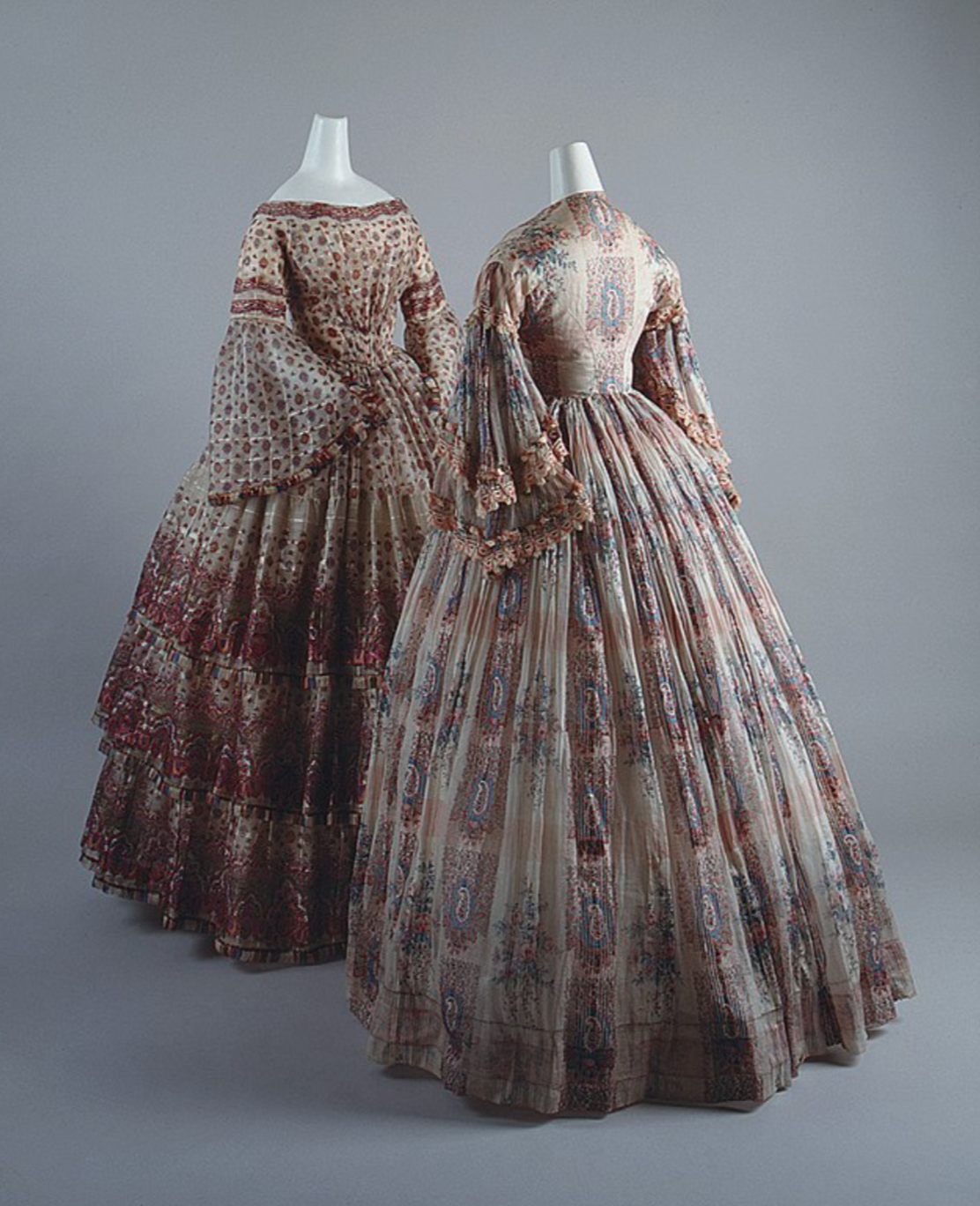
The silhouette was characterized by voluminous skirts (supported by crinolines and bustles) and a tight waist emphasized by corsets. Clothing expressed ideals of modesty and respectability, using opulent fabrics like silk and velvet embellished with lace to show wealth
-
Men's attire followed a strict code emphasizing formality and decency. Tailored suits featured structured coats, fitting pants, and waistcoats to highlight the masculine silhouette. Accessories like top hats, cravats, and pocket watches completed the formal look.
-
French designer Émile Pingat was renowned for his superb craftsmanship and fine tailoring. He frequently employed the "princess line" silhouette, which featured a tight bodice and elegantly flared skirt, creating a sleek, elongated style.

-
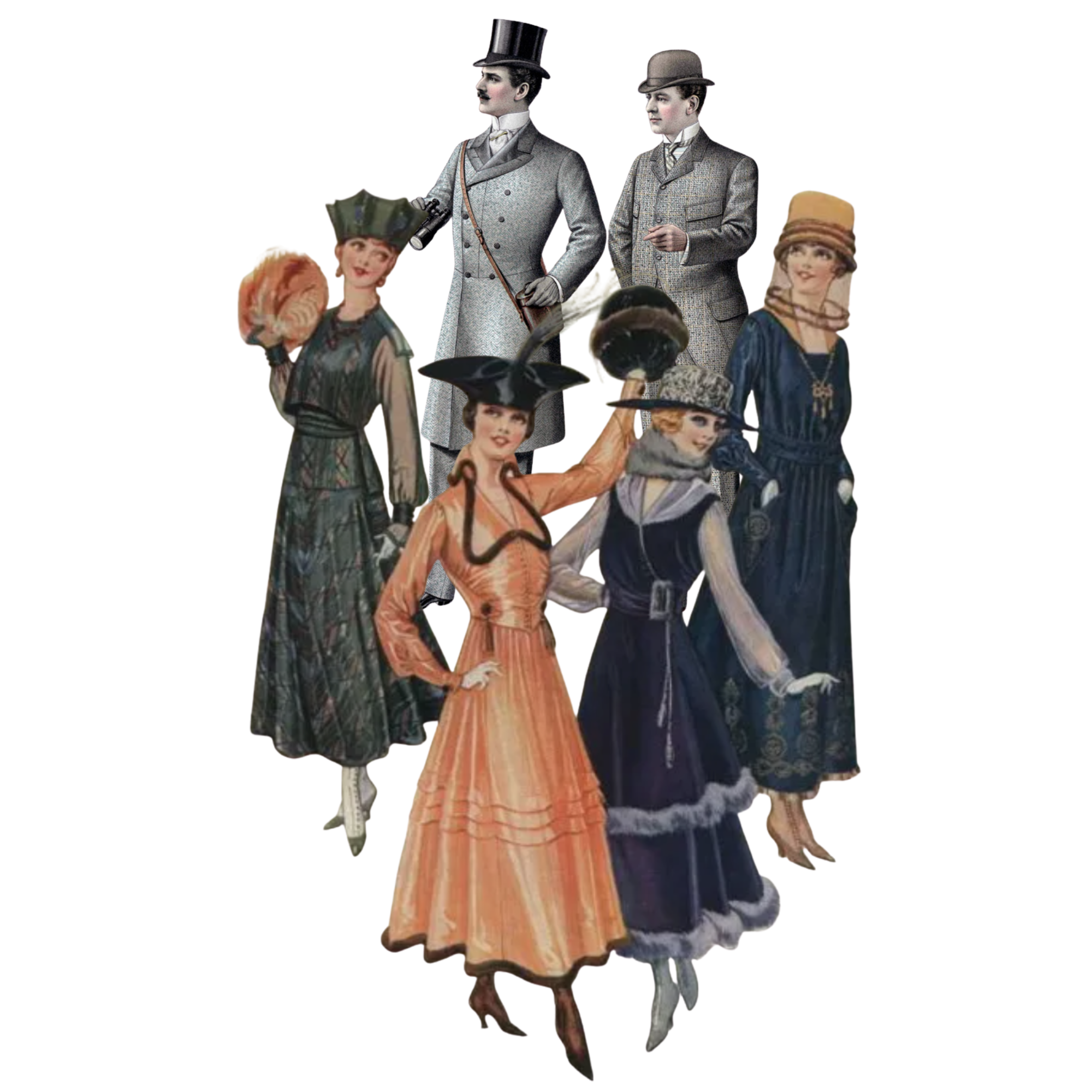
The silhouette relaxed, moving from constricting Victorian styles to a more carefree, elegant look. Corsets allowed for a more natural waistline, and skirts adopted softer, draped forms. WWI introduced austerity and practicality, shifting fashion to more fitted dresses and tailored suits with rising hemlines.
-
Fashion shifted toward informal elegance with tailored suits featuring softer, draped forms and a more natural shoulder line. Sportswear became fashionable, introducing items like the blazer. WWI pushed functional needs, with military influences (e.g., trench coats) and simpler designs using materials like khaki.
-
Jeanne Lanvin was known for exquisite fabrics like chiffon and lace, and a singular fusion of femininity and refinement. Her key trend during this period was the move toward streamlined, utilitarian styles during the war years, adapting her elegant designs to meet the demands of practicality and austerity.

-
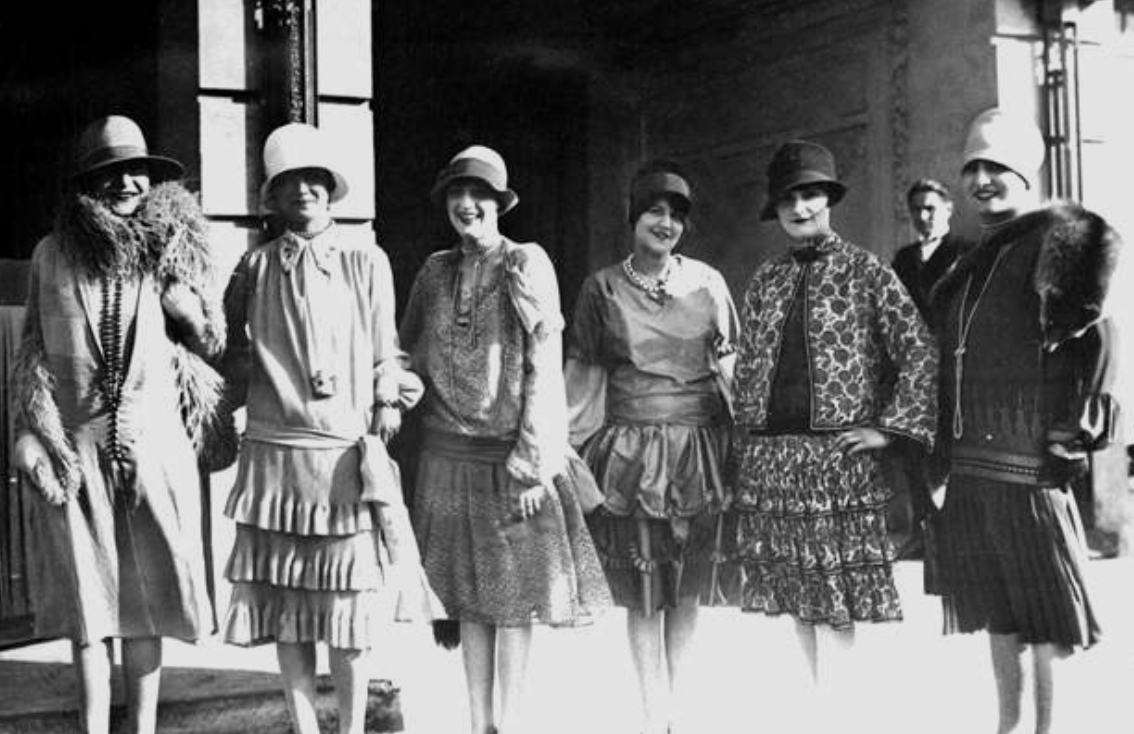
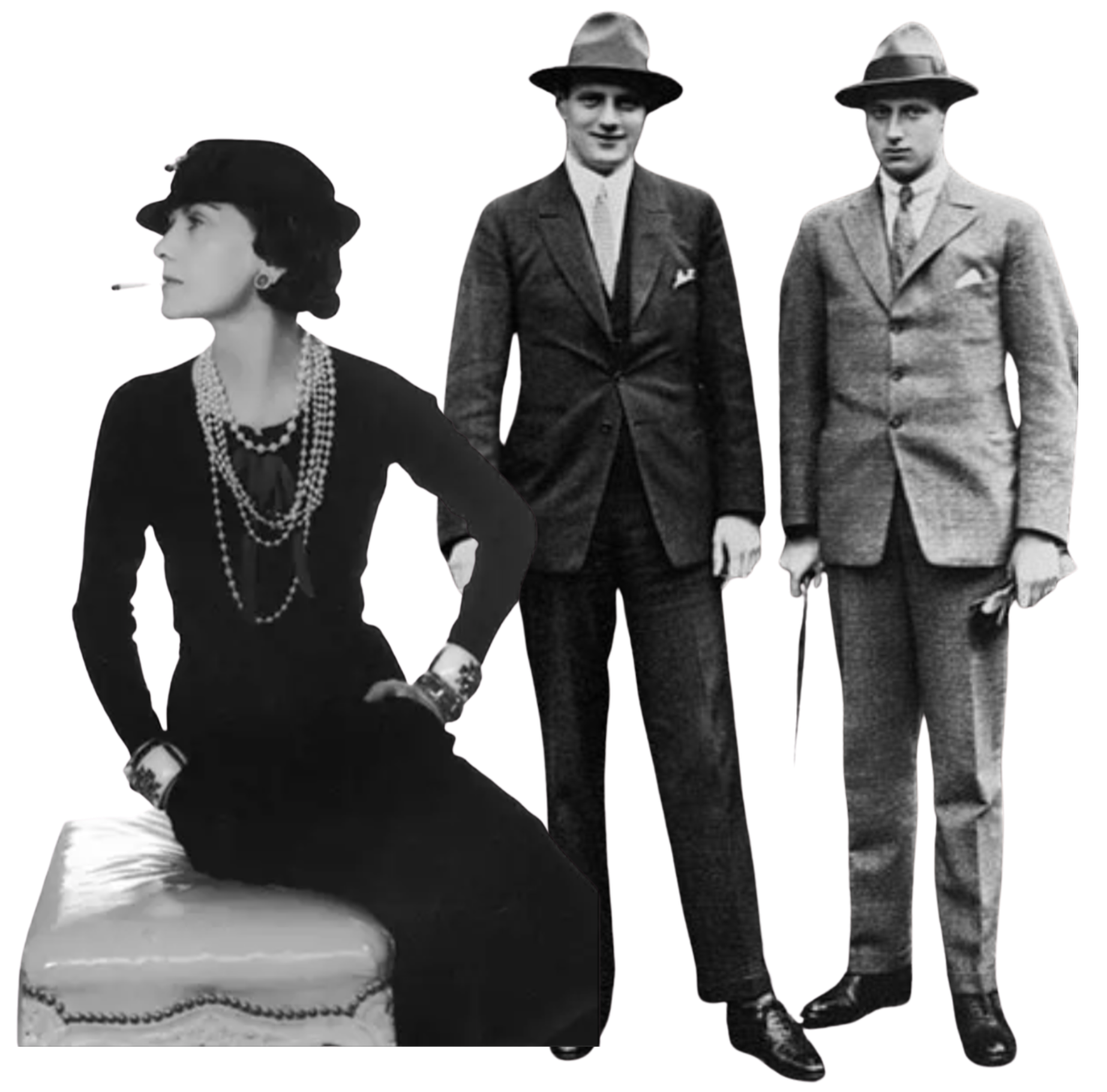
Fashion embraced autonomy, characterized by a straight, boyish silhouette with lowered waists and flattened busts as corsets were eschewed. The iconic flapper dress featured loose, shapeless styles, short hemlines, and embellishments like fringe and beads, personifying rebellion and nonconformity.
-
Men's suits became softer, looser, and more streamlined, allowing for greater mobility. The "dandy" emerged as a style icon, known for a flamboyant, ostentatious style with eye-catching patterns and accessories like suspenders.
-
Gabrielle "Coco" Chanel transformed women's fashion with her forward-thinking attitude. She is strongly linked to the "little black dress" (LBD), which she popularized as a sleek, classy, and wearable gown, transforming black into a symbol of style and modernity.

The Comparative Silhouette Study (1850 to 1920s) proved my high level analytical and visual communication skills. I learned to effectively link social drivers (like WWI austerity) to design shifts and gained silhouette mastery, distinguishing forms from the structured, voluminous Victorian bustle to the liberated flapper look. These skills, including professional content synthesis, visual storytelling, and structured project management, are directly applicable to future roles in fashion analysis, curatorial work, and trend forecasting.
Visual Communication & Curation
Historical Research & Analysis

Synthesizing complex historical data from provided course sources into coherent, educational narratives.
Professional Writing & Editing
Information Design
Developing a cohesive, professional-quality layout for maximum educational impact and readability.
Crafting clear, detailed, and engaging analytical content under specific constraints (e.g., 160+ word minimum, professional tone).
Selecting and contextualizing period-specific visual assets to effectively illustrate abstract concepts (silhouettes, trends)