

The Ask: deconstruct and analyze the holistic brand strategy of Warby Parker to understand the key factors driving its success as a market disruptor.
Warby Parker Analysis

The analysis was conducted in three sequential phases: Brand Deconstruction, Target Customer Segmentation, and Outcome.
Brand Deconstruction
Who is the Company / Brand
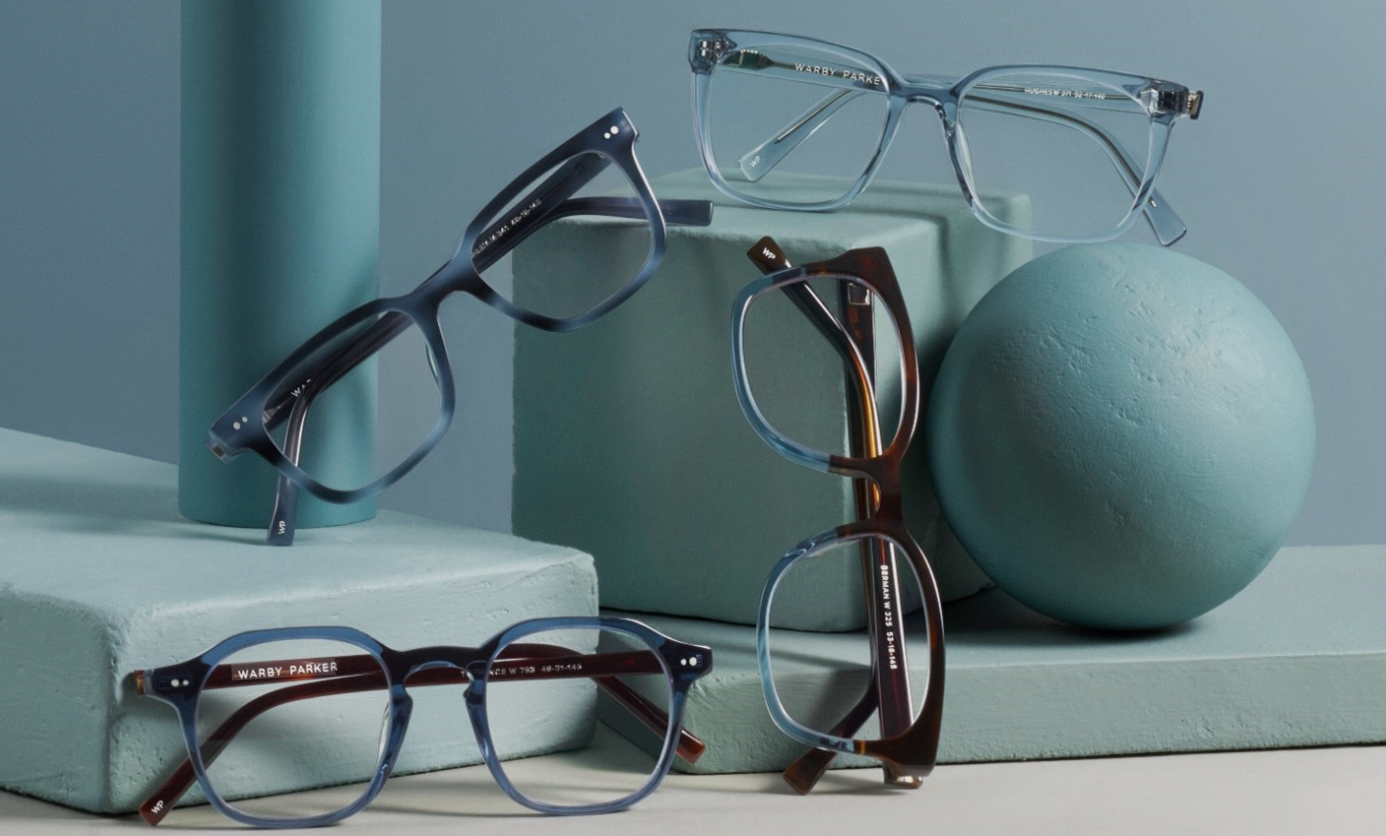
The direct-to-consumer eyewear company Warby Parker is well-known for producing fashionable, reasonably priced prescription glasses and sunglasses. By providing a home try-on service and incorporating a socially responsible business approach, the company transformed the eyewear market.
Brand Keywords:
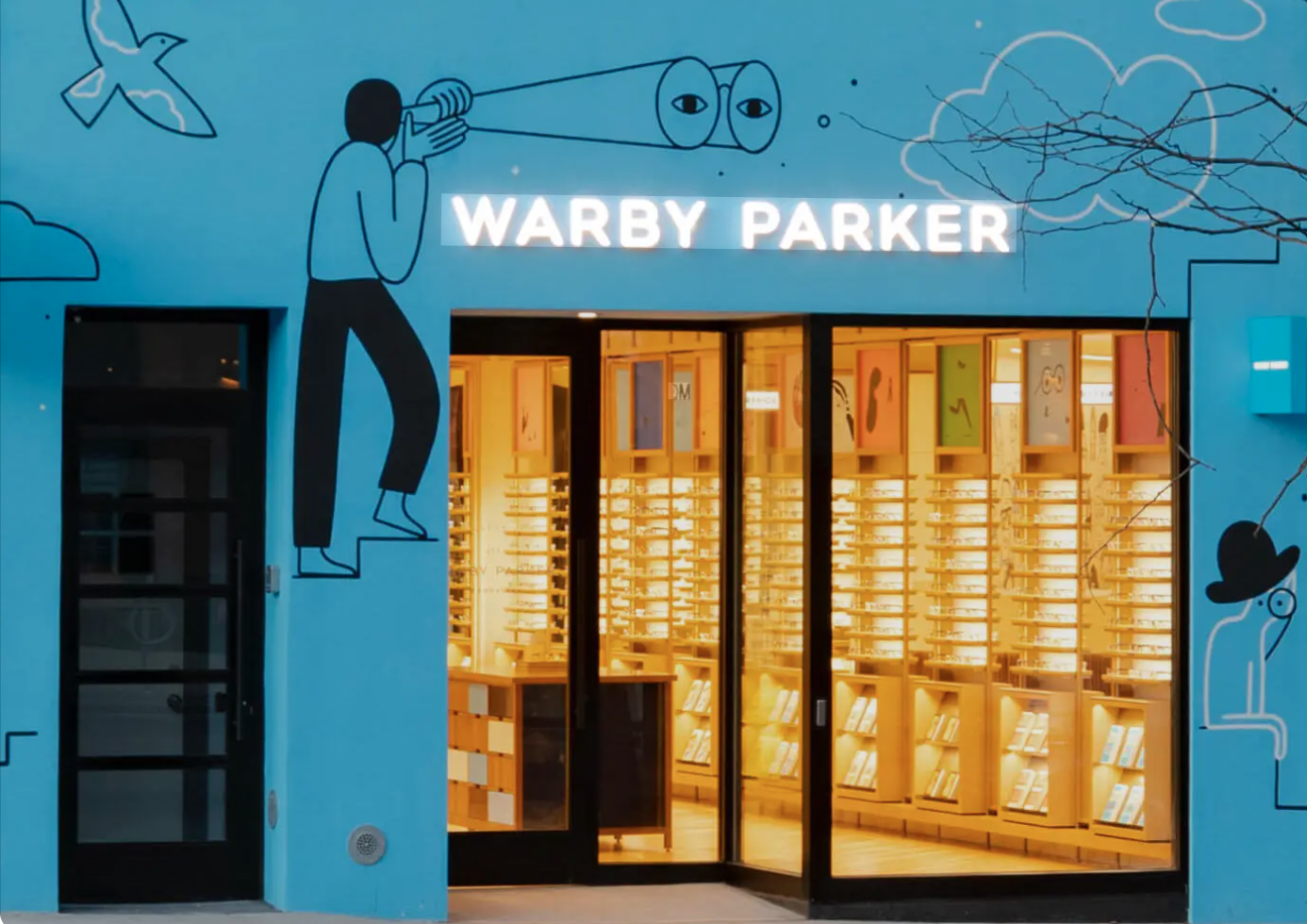
Fashionably Innovative, Accessible, Inclusive
Brand Promise
Warby Parker pledges to uphold moral and environmentally friendly business methods while offering fashionable, premium eyewear at a reasonable cost. Through their "Buy a Pair, Give a Pair" initiative, the business makes sure that customers have a simple and pleasurable online or in-store buying experience while simultaneously promoting social good.

The Warby Parker logo's simple, sans-serif font emphasizes the company's contemporary and friendly image.
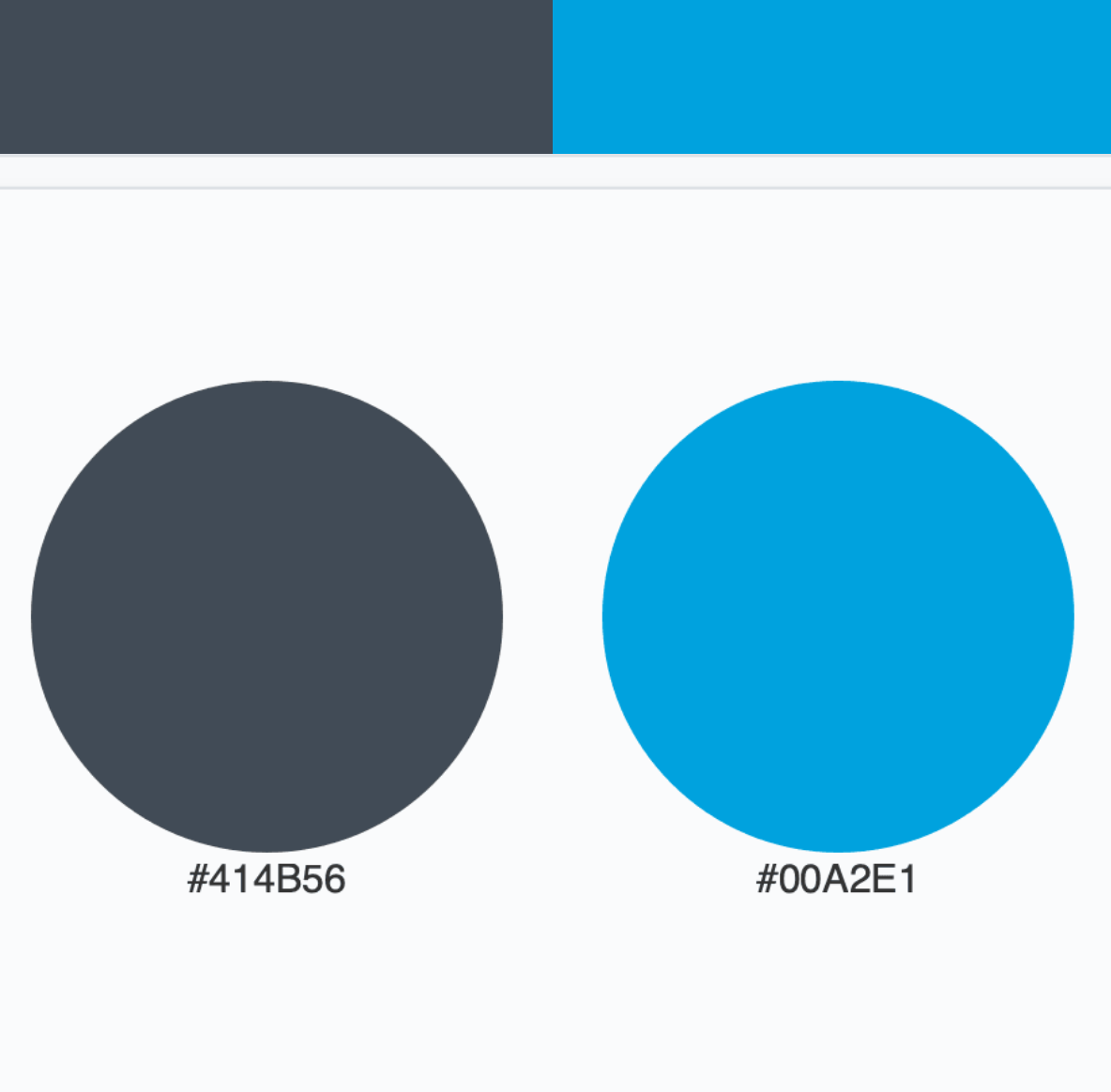
Warby Parker typically uses a blue color palette, emphasizing confidence, reliability, and clarity, fitting with its objective of making eyewear affordable and accessible.

“Buy a Pair, Give a Pair”, “Eyewear with a Purpose”
Brand Story
David Gilboa, Jeffrey Raider, Andrew Hunt, and Neil Blumenthal founded Warby Parker in 2010 as an alternative to expensive eyewear. Because the business adopted a direct-to-consumer business strategy, it is now able to offer fashionable, superior eyewear at a significantly lower cost than traditional retail establishments. The philanthropic objective of Warby Parker, "Buy a Pair, Give a Pair," enhances both the company's reputation and its patronage.

Target Customer Segmentation
Age Range: 20-40 year old
Gender/s: All genders
Location: Urban areas, suburban areas, mostly in the United States and Canada
Family Situation: Single professionals, young couples, small families
Additional Observations:
Very affordable for any customer with a tight budget
Main focus is looking for lenses that are stylish yet practically fashion forward
Prefers convenient shopping experience
Eco-conscious
Tech-savvy (utilizes online services, digital ads, app for purchases)
Likely has disposable income
Enjoys minimalistic, trendy aesthetics
Engages deeply with brands with a strong mission
Active on social media
Prefers brands with great customer service

Alex, a Brooklyn-based 29-year-old marketing expert. Alex enjoys supporting brands with compelling goals, appreciates sustainability, and works in the creative industry. They like Warby Parker's home try-on program and prefer easy internet shopping. Their bookcase is filled with magazines with a focus on design, and their Instagram page showcases stylish yet functional clothing options. Alex believes that Warby Parker is about more than just purchasing eyewear; it's about expressing one's sense of style and morals.
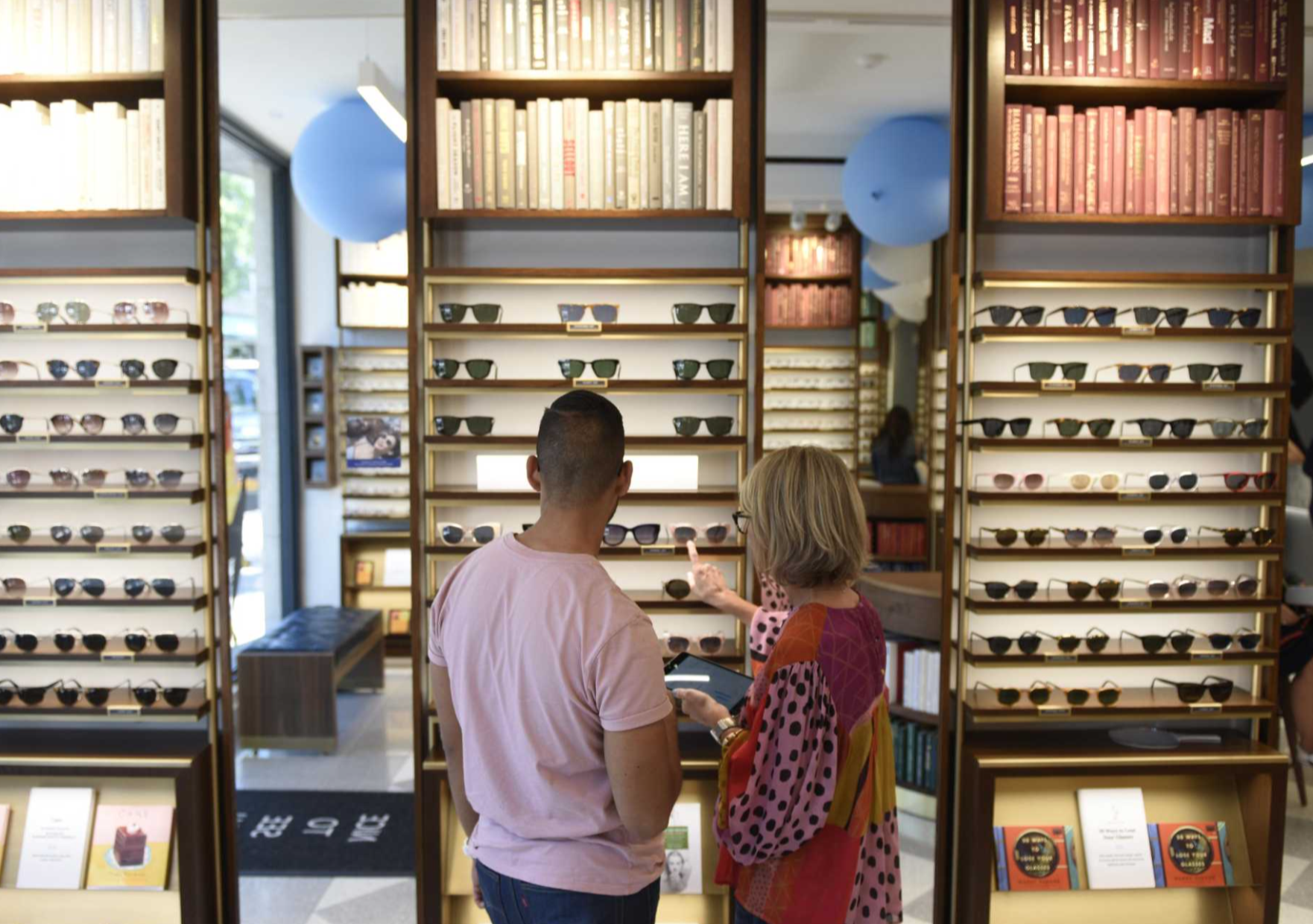
Warby Parker successfully creates a smooth omnichannel experience by utilizing the Brand Experience pillar. The brand reinforces a contemporary, approachable image by interacting with consumers on social media, its website, and in-store.
Warby Parker distinguishes itself by its social responsibility and direct-to-consumer business approach. Its ability to combine high-end design with affordability positions it as a pioneer in contemporary eyewear.


Strategic Brand Deconstruction
You can methodically break down a complex brand, isolating core components like archetypes, promises, and assets.
Market Positioning Analysis
You accurately identify a brand's unique market drivers and competitive placement (e.g., between Mass Market and Luxury).
Target Audience Segmentation
You move beyond demographics to identify psychographic needs and develop actionable customer personas.
Integrated Marketing Assessment
You can analyze how a brand executes a consistent and seamless Omnichannel Brand Experience across platforms.